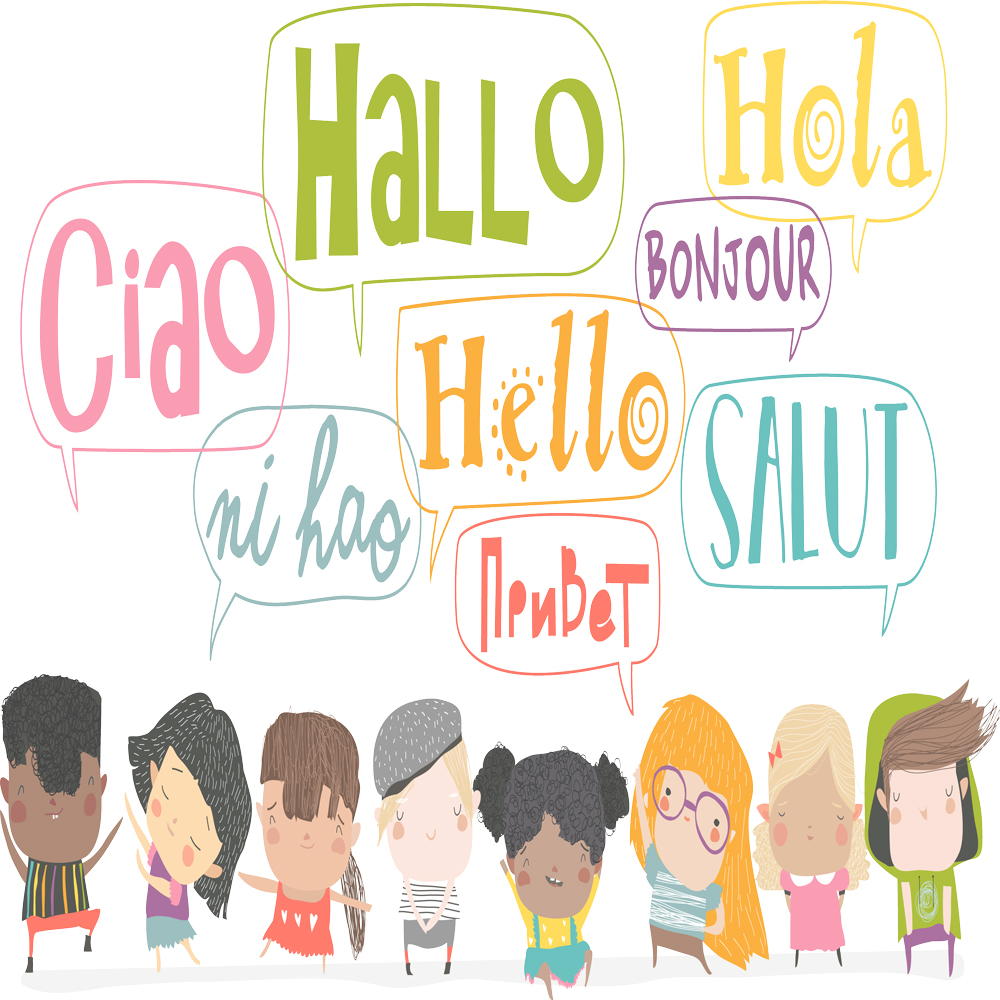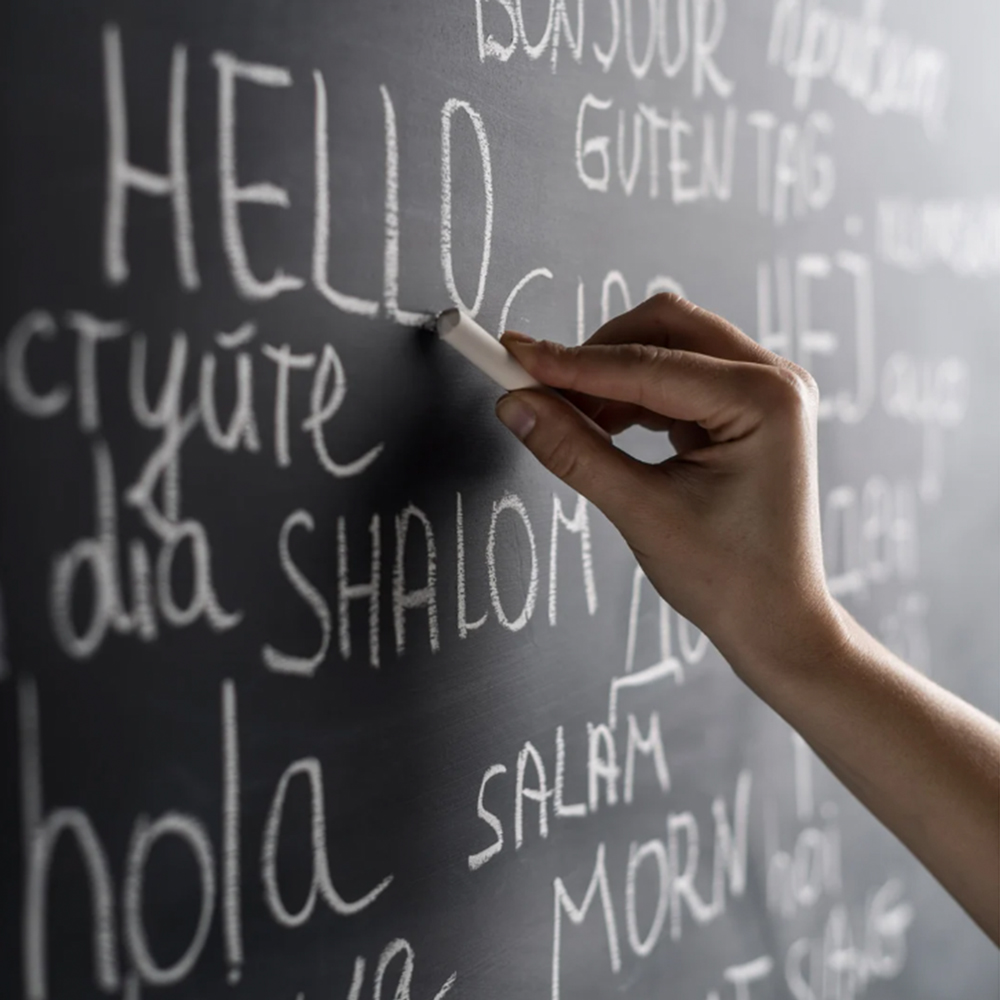

Multilingualism sits at the heart of international education. In classrooms where students bring diverse linguistic backgrounds, language is not just a tool for learning; it also shapes identity, belonging, and access to opportunity. Supporting multilingual learners well requires more than good intentions. It calls for thoughtful policy, inclusive pedagogy, and a shared understanding that language development is the responsibility of all educators, not just language specialists.
This featured collection brings together articles and practical resources to help educators better understand and support multilingual learners. It offers perspectives, tools, and strategies that can be used across whole-school settings and in individual classrooms. Together, these contributions explore how to move beyond deficit views of language and toward asset-based, culturally responsive approaches that value and leverage the full linguistic repertoire of every student.
ARTICLES