Teacher growth and appraisal systems are essential because they shape how educators reflect on their practice, develop professionally, and improve their impact on student learning. When thoughtfully designed, they can create a culture of trust, collaboration, and continuous improvement rather than becoming exercises in compliance.
This collection brings together research, practical approaches, and diverse perspectives on observations, bias, trust, and appraisal design to explore how schools can make these systems more meaningful for educators and more effective for students.
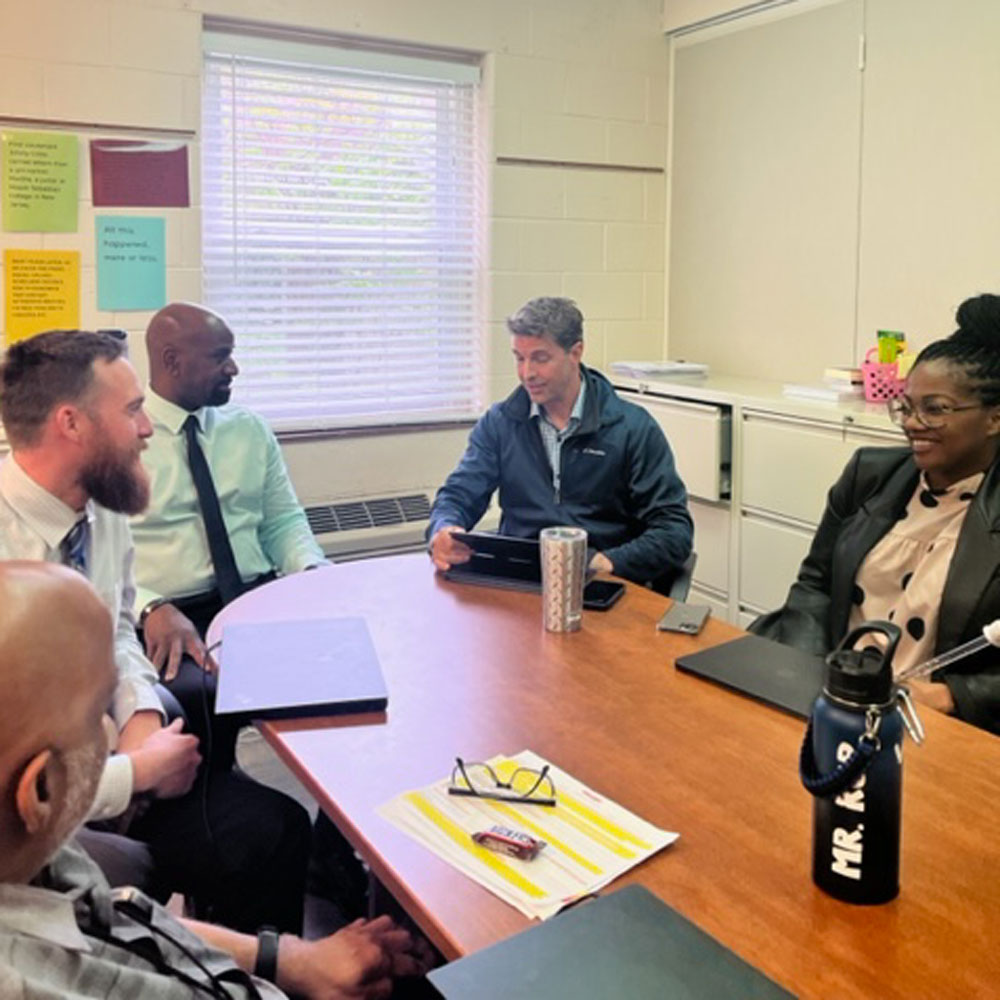
This article challenges traditional teacher observation models that attempt to combine evaluation with professional growth, arguing that they can undermine trust and limit teachers’ willingness to take risks and innovate. It explores how separating evaluation from observation and building relational trust can create safer conditions for meaningful professional growth. The article introduces Trust-Based Observations as a research-informed approach designed to empower teachers, strengthen practice, and ultimately improve teaching and learning. Read Now
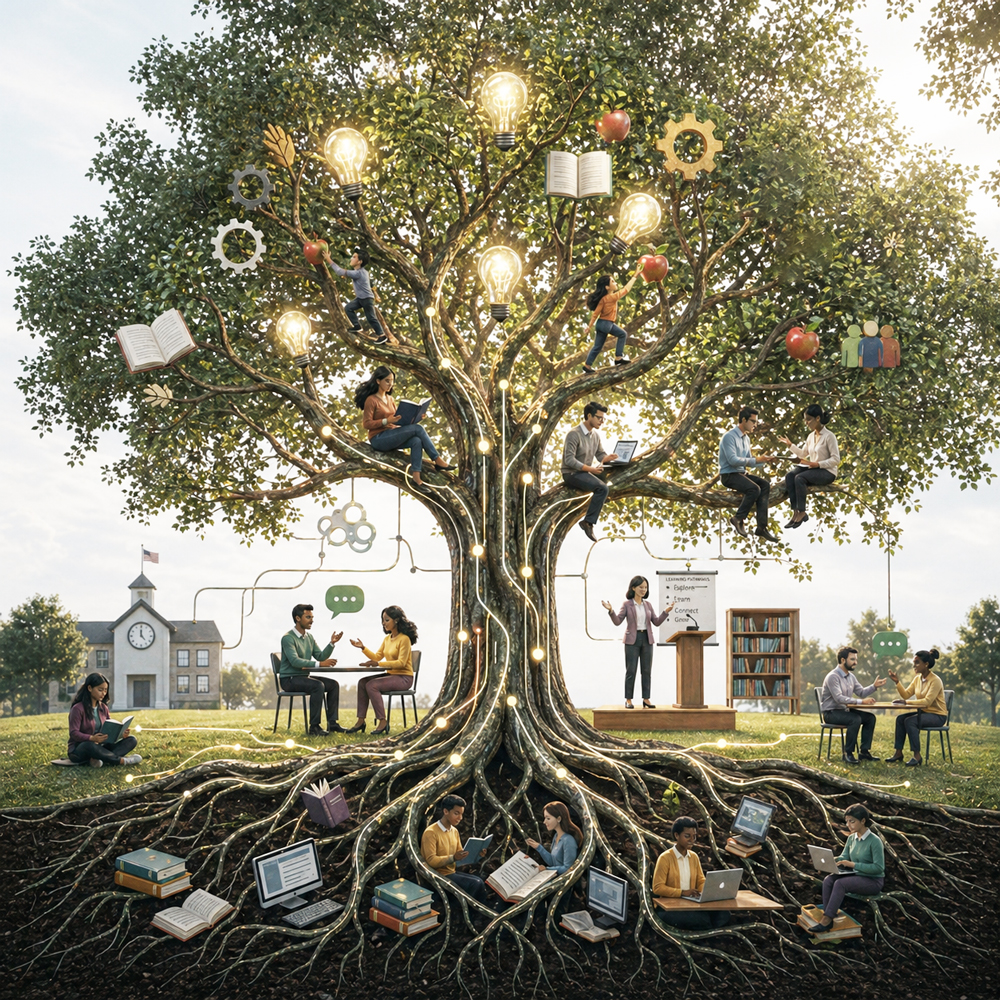
Teacher growth and appraisal are among the most important, and often misunderstood, systems in schools. Too frequently, they become exercises in compliance rather than meaningful opportunities to improve teaching and learning. This three-part series examines the research behind effective teacher growth, explores how appraisal systems shape school culture, and considers how thoughtful design can transform appraisal into a meaningful process that supports professional learning, collaboration, and lasting improvement across a school.Read Now
This article explores how unconscious bias can undermine equitable, growth-focused teacher evaluations and weaken trust between educators and leaders. It examines common forms of bias, including affinity, attribution, confirmation, and cultural bias, and offers practical strategies for addressing them through regular bias training, shared language around teaching and learning, evidence-based observations, and ongoing evaluator calibration. The authors note that when leaders make these practices part of a transparent and collaborative evaluation process, they can create stronger conditions for teacher growth and improve students’ learning experiences. Read Now
Please fill out the form below if you would like to post a comment on this article:
Comments
There are currently no comments posted. Please post one via the form above.
The articles presented in TIE are a reflection of the variety of perspectives within the international school community and do not necessarily reflect the views and opinions of the organization.