
BECOME A MEMBER! Sign up for TIE services now and start your international school career

FEATURED COLLECTIONS

BUILDING BELONGING IN THE CLASSROOM


Belonging is more than feeling welcome. It is a foundation for learning, helping students feel safe, seen, valued, and ready to engage. In diverse international school communities, creating that sense of belonging requires intentional choices about relationships, representation, routines, and the ways we invite every student to participate.

In this featured collection, you’ll find practical ideas for building classrooms where students can connect, see themselves reflected, navigate transitions, and develop a stronger sense of belonging. From creating psychologically safe learning environments and welcoming new students to fostering inclusive dialogue and using everyday practices that affirm identity, these resources offer educators meaningful ways to make belonging part of classroom culture, not an afterthought.

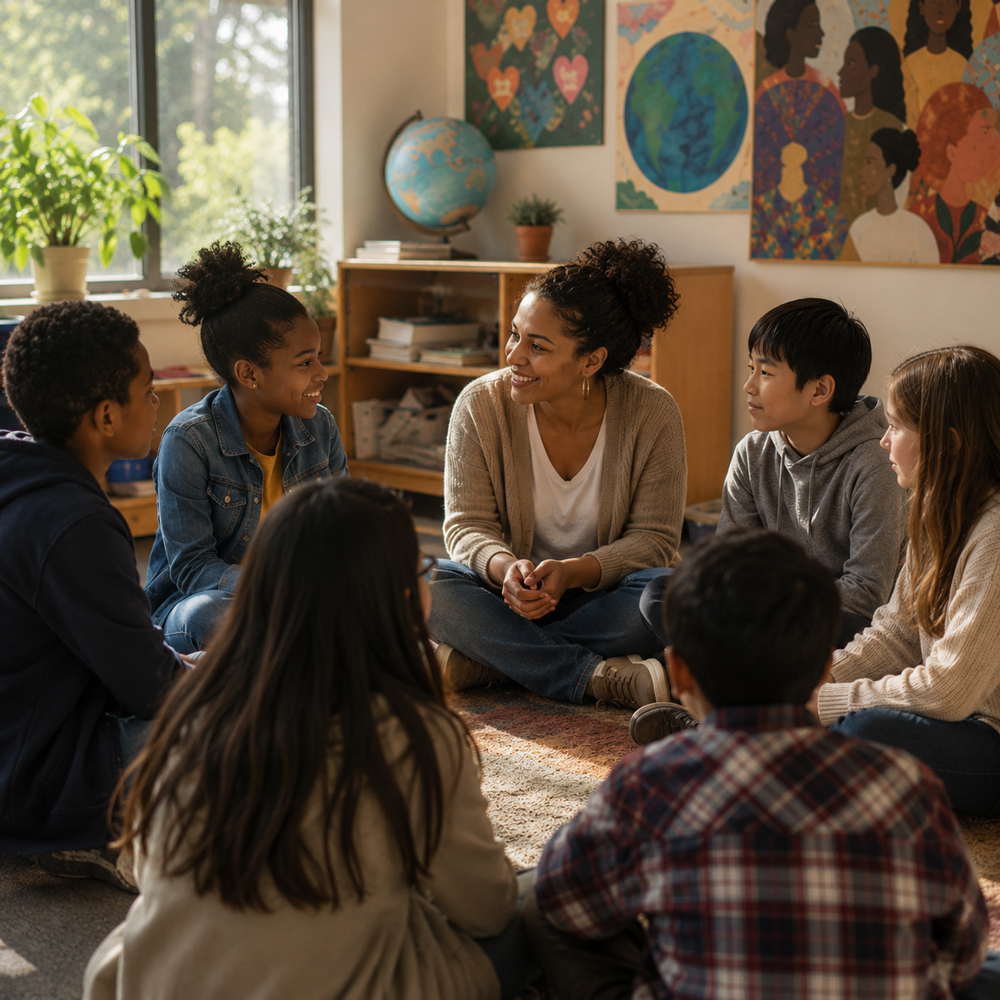
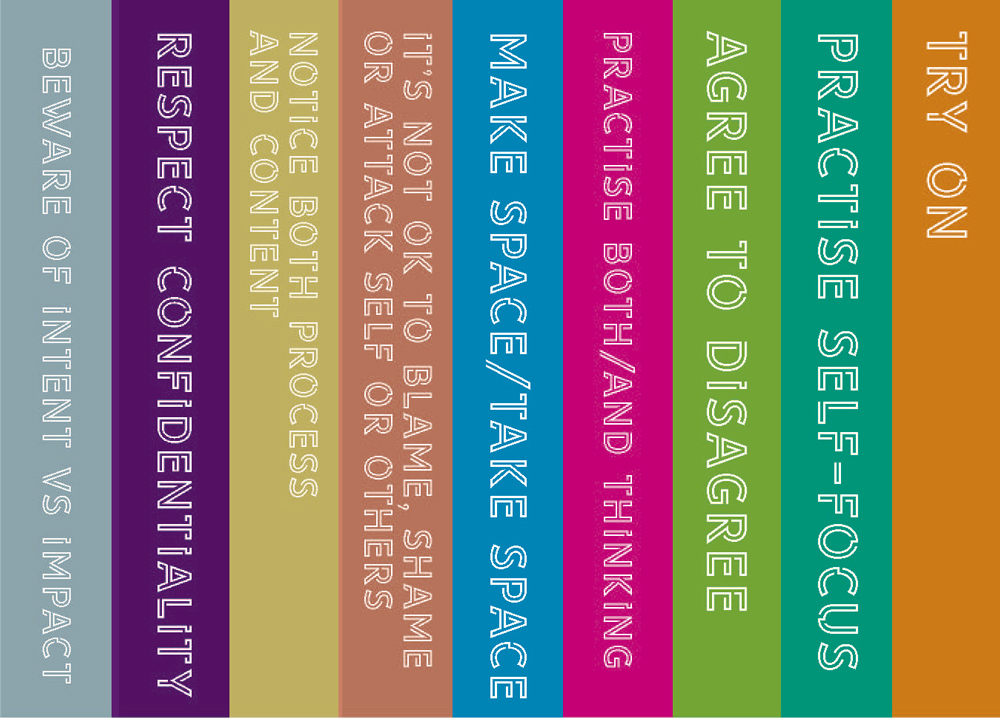
Creating truly inclusive classrooms requires more than responding to incidents of discrimination. Drawing on its work with VISIONS, the International School of Geneva shares nine practical guidelines for building more inclusive dialogue, from trying on another person’s perspective and making space for different voices to embracing disagreement and recognizing the difference between intent and impact. Together, these practices offer educators a practical starting point for strengthening trust, encouraging participation, and creating learning environments where everyone feels heard, respected, and a sense of belonging. Read Now


Starting at a new international school can be exciting, but for students arriving without established social connections, the transition can also bring homesickness, anxiety, and a sense of isolation. This article offers practical strategies for making onboarding more intentional by bringing the school community to new students through cultural experiences, connections to their home and third cultures, local activities, family engagement, regular check-ins, and student ambassador programs. These approaches can help schools create stronger connections from the start, support students’ social-emotional well-being, and help new students feel a genuine sense of belonging in their new community. Read Now


You Belong Here
By Dr. Emily Meadows

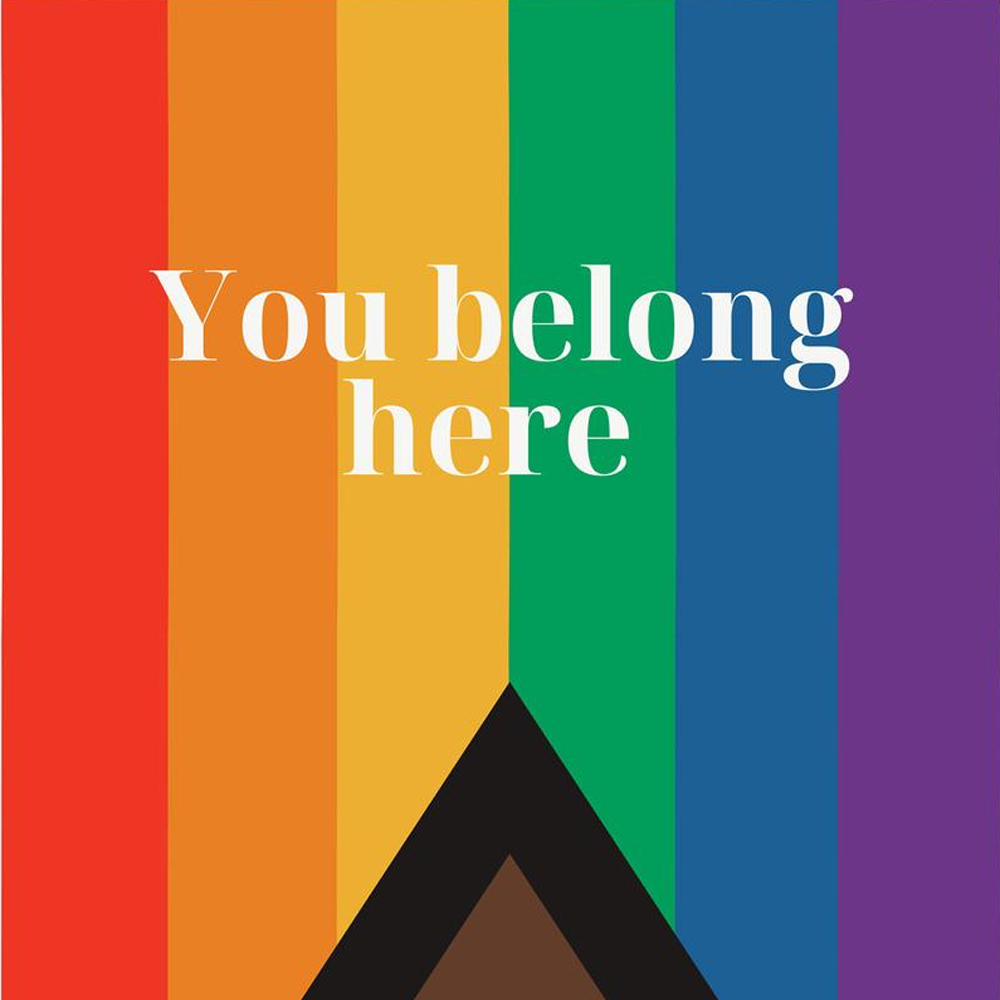
Inclusive signage can send a powerful message to LGBTQ+ students, but creating a true sense of belonging requires more than putting up a “Safe Space” sign. This article explores the difference between signaling welcome and creating meaningful inclusion, offering educators a collection of free “You Belong Here” posters in 49 languages while encouraging schools to pair visible messages of belonging with ongoing learning, training, and action. Readers will find inspiration for using language, representation, and community collaboration to create more affirming international school environments where LGBTQ+ students know they are valued and belong. Read Now


Building Psychologically Safe Classrooms
By Iyabo Tinubu and Elizabeth Palathra

Psychological safety is a foundation for learning, yet it can be easily undermined when students do not feel seen, represented, or secure in their classrooms. Drawing on personal experiences and research, this article explores practical ways educators can build trust and belonging from the start of the school year through predictable routines, intentional relationships, inclusive curriculum, and opportunities for student voice and connection. Readers will find “try this tomorrow” strategies for creating consistent classroom expectations, strengthening relationships, and using mirrors, windows, and sliding glass doors to help students see themselves and others in the learning experience. Read Now


Begin With Belonging
By Courtney Primus

A strong start to the school year begins with belonging, not just lesson plans and curriculum. This article encourages international educators to prioritize relationships, identity, wellbeing, and connection as students and teachers navigate new environments, languages, and expectations. It offers practical, easy-to-integrate activities, from artifact galleries and gratitude circles to multilingual language lounges and growth mindset reflections, that can build community without sacrificing instructional time. By intentionally creating space for students to feel seen, known, and valued, educators can lay the foundation for the trust and connection that make meaningful learning possible. Read Now


Please fill out the form below if you would like to post a comment on this article:


Comments

There are currently no comments posted. Please post one via the form above.

MORE FROM

FEATURED COLLECTIONS