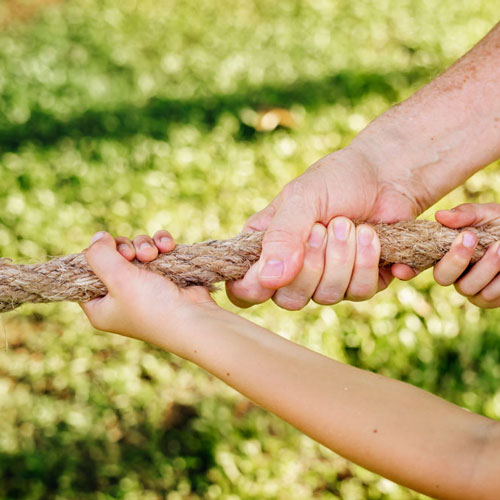
What does it actually mean for education to contribute to peace—not as an abstract ideal, but as something lived in everyday classroom interactions? Drawing on experience in Kazakhstan, this article reflects on how international schools bring together students shaped by different cultural, linguistic, and historical contexts, and how they learn to navigate difference with respect, curiosity, and care. It suggests that peace is not taught as a concept alone, but emerges through classroom practices where students listen, reflect, and engage with multiple perspectives as part of their daily learning.
Read Now
For international educators living at a distance from armed conflict, the question of how to respond is complex, especially as global events increasingly enter school communities through lived experience and social media. This article suggests that while international schools should not take political sides, they must remain committed to peace, critical thinking, care for community wellbeing, and vigilance against prejudice and division. In times of conflict, educators are encouraged to prioritize institutional neutrality, support emotional safety, and foster reflective, unbiased dialogue that protects the dignity of all members of the school community.
Read Now In a time of global uncertainty, international school leaders are navigating complex social, political, and cultural pressures while supporting diverse communities that often mirror wider divisions in the world. This article explores how resilience can be cultivated through strong school culture, trust, and values-driven leadership, alongside empathy for both communities and leaders themselves. It highlights practical approaches such as structured dialogue, inclusive communication, and crisis awareness, while emphasizing that sustaining connection, clarity, and self-compassion is essential for guiding schools through challenging times.
Read Now
ADDITIONAL RECOMMENDED RESOURCES