This student essay is presented unedited by TIE to preserve the authenticity and originality of the student voice.
“What do you want to be when you grow up?”
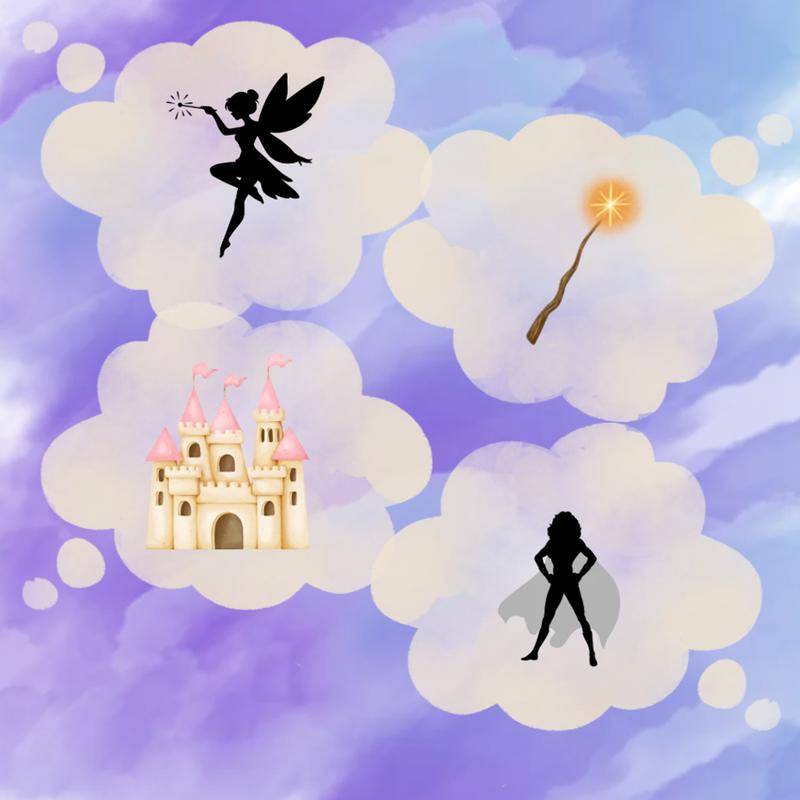
That’s a question we are often asked by our parents, relatives, teachers, and other adults. As young kids, our answers came easily. We wanted to be fairies, superheroes, princesses or even wizards—filled with dreams of changing the world with magic and the “power of friendship.”
But as we get older, the weight of reality starts settling in.
The question that once felt exciting slowly becomes overwhelming. Instead of dreaming freely, we become hesitant—wondering, “Is my answer impressive, but is it also realistic enough?” accompanied by a quiet fear of, “What if things don’t work out? What if I fail?”
Some students have known what they wanted to do for years, diligently exploring their interests and researching their future paths. Others have a notebook full of ideas, interests that constantly change, or simply no clear answer yet. But despite our different passions, we often feel as though we should already have an answer. An answer that defines us.
Instead of seeing learning as a journey, we begin to see every choice as a decision that determines our entire future. The pressure to have the “perfect” answer makes us forget that we’re still growing, learning, and discovering ourselves.
Many students discover their passions through unexpected experiences. A class they once disliked starts to become their favorite after they discover a new perspective. Maybe a simple project starts sparking their interest to learn more. A hobby they started for fun may grow into something they want to pursue further.
I experienced this change myself. When I was younger, I dreamed of becoming a fashion designer or opening my own beauty salon. I loved the idea of creating something beautiful from my imagination that other people enjoyed. Although my interests have expanded over time, that creative part of me never faded. It simply found new forms through writing, storytelling, and other forms of expression.
Looking back, I realized those dreams were not as different as they seemed. They came from the same place: the desire to create. One was expressed through fabric, while the other was expressed through words.
Our dreams may change constantly, and our answers may change—but that doesn’t mean we’re lost. It means we’re growing. So the next time someone asks, “What do you want to be when you grow up?” It’s okay not to know yet. Sometimes, the most meaningful discoveries begin with not having all the answers, but with giving ourselves the freedom to explore.
Aindra Aung is a Grade 8 student at the International School Yangon.