
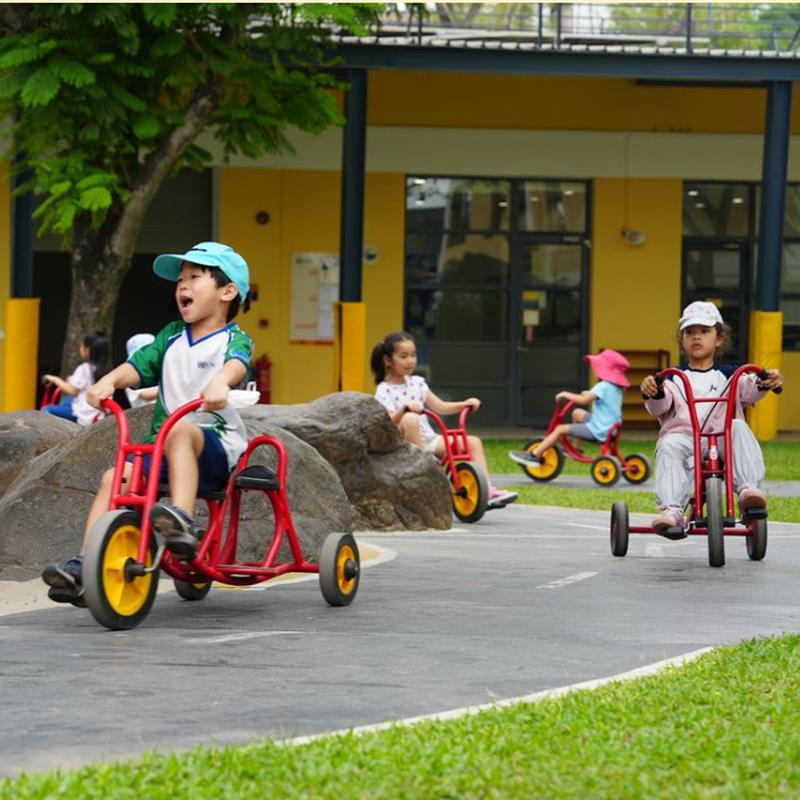
UNIS made a significant decision to engage the community in an exciting new project aimed at enhancing our campus, specifically focusing on the development and improvement of the main sports center and the swimming pool. Given this situation, some units would be affected. As I reviewed my PE program, I put myself in the learner's shoes and challenged my own experience and knowledge by designing a new unit. After advocating for its inclusion in the official PE Program of Inquiry to the elementary school leadership team, I’m pleased to say that this unit is now a core part of the curriculum. It serves as a powerful case study in integrating cultural responsibility within the existing framework.
The Problem and the Purpose
Vietnam's traffic culture presents a unique and pervasive challenge. With motorbikes accounting for 65–70% of accidents and over 90% of traffic deaths, issues like riding on walking paths, driving against traffic, and inconsistent helmet use are daily realities. For our youngest learners, these behaviors are often copied from what they see around them.
The goal of this new PE unit was to use the tricycle as a microcosm of real-world driving culture. By intentionally talking and encouraging conversational topics related to these traffic scenarios, we aim to establish a foundation of safe, responsible, and respectful driving behaviour from a young age—a proactive intervention in a major societal issue.
From Play to Pedagogy: Cultivating Citizenship
The tricycle unit takes a holistic approach, integrating core principles of the International Baccalaureate Primary Years Programme (PYP) into dynamic physical activity:
Developing a Driving Culture: Lessons began with the trikes, using toys to recreate traffic examples. Students were actively encouraged to reflect on dangerous behaviors, such as overloading or driving on pavements, and brainstorm solutions. This crucial first step fostered critical thinking and responsible decision-making.
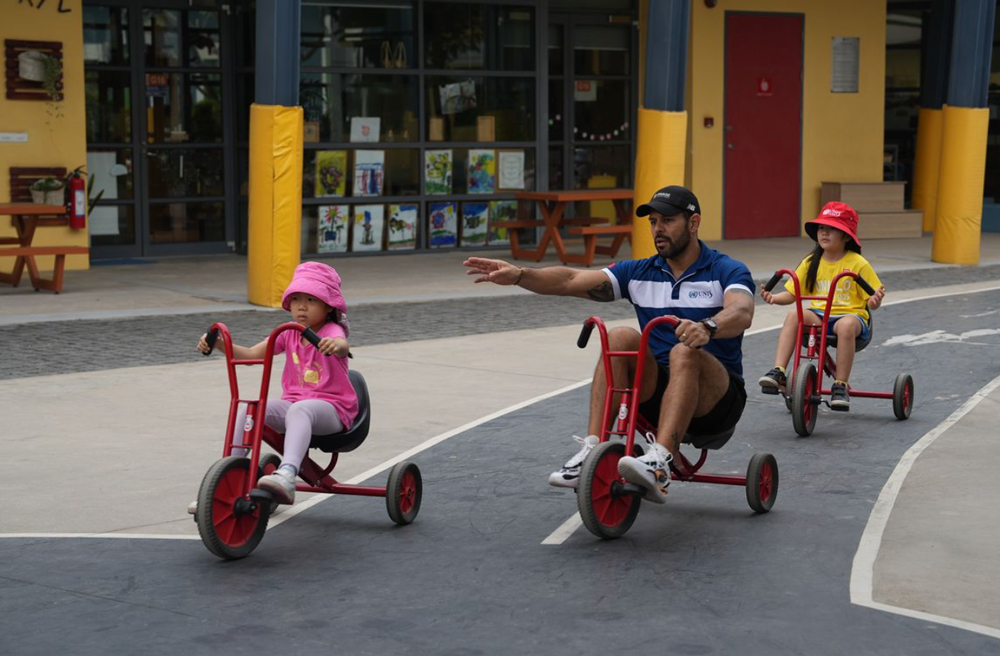
Leadership and Community: The concept of a "driving leader" was introduced. As the teacher, it is an important role to provoke conversations about how a leader helps the entire group travel safely. When the group moved out, the students practiced this structure: one teacher led or shadowed the student leader, and another closed the group at the rear to ensure equity and inclusion, making sure no one was left behind.
Community Engagement and Application: Our riders travelled around the entire campus, close to learning buildings, to interact with the broader UNIS community. This allowed them to practice driving skills including respecting speed limits, yielding to pedestrians, and navigating around workers and secondary students in a safe yet complex environment.
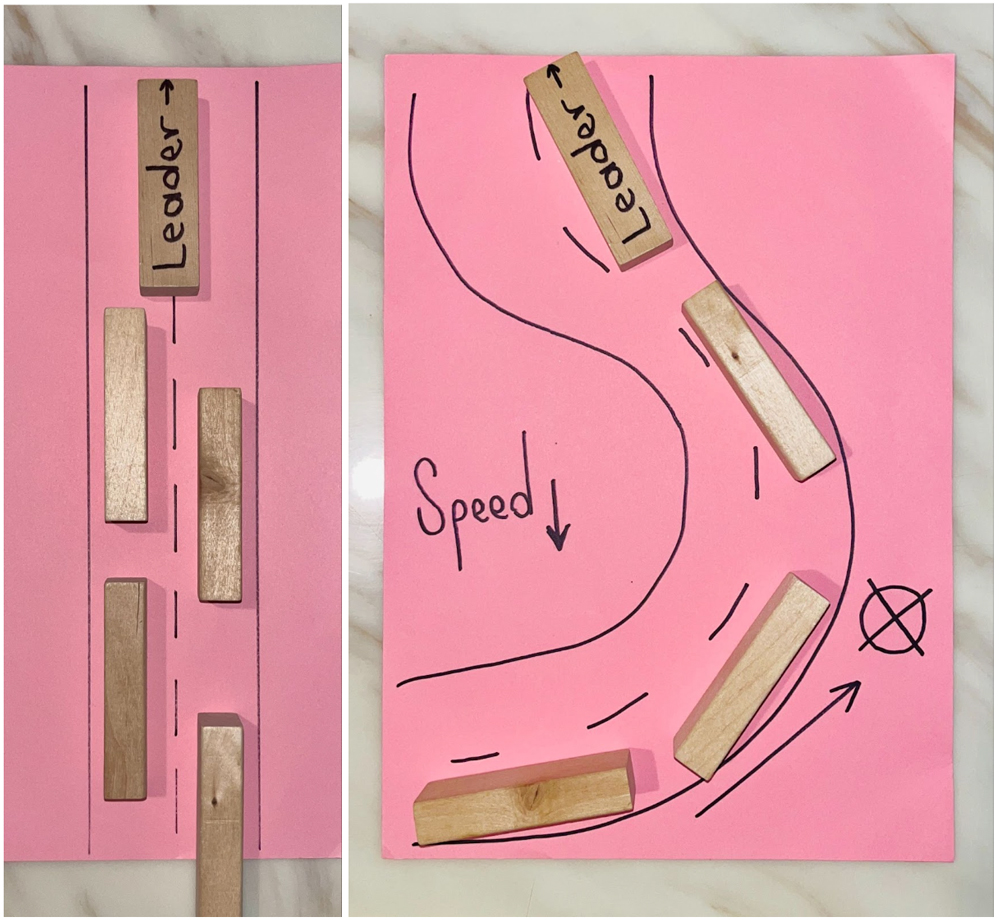
Beyond safety, and based on a frequency of two to three sessions per week, in addition to all the extra programs available, the continuous movement significantly improved the learners' endurance, fitness, and cardiovascular health, fostering the foundation for a lifelong healthy lifestyle. Meanwhile, students honed their teamwork, Approaches to Learning (ATLs), and Learner Profile Attributes (LPAs) by relying on each other for guidance and support.
Overcoming Challenges for Sustainable Learning
Implementing this unit revealed several opportunities for deeper learning and practical maintenance:
Equipment Care and Ownership: We observed that general school trikes were often poorly maintained due to a lack of supervision, leading to accidents and disrepair. To address this, we integrated equipment maintenance into the curriculum. Students and teachers worked together to understand how the weight, size, and model of the tricycle affect performance. This hands-on lesson encouraged students to select the correct trike and instilled a sense of stewardship and responsibility for shared resources.
The Fit Factor: Ensuring the right fit is crucial for performance and enjoyment. Understanding how size and weight affect pedalling success helped students choose appropriate equipment, ensuring inclusion and fair opportunities to travel and enjoy the group activity.
Laying the Groundwork for Lifelong Mobility
Critically, this tricycle experience serves as a formative pre-learning experience, directly preparing students for their Grade 1 unit, "Wheels." In the subsequent unit, students bring their personal bicycles from home to ride together at school. The groundwork laid with the trikes—especially group riding etiquette, safety rules, and non-verbal communication—allows the Grade 1 curriculum to focus immediately on improving more complex skills like signalling communication. This progression culminates in an exciting and essential off-campus journey at the end of the unit.
The tricycle unit showcases how a simple activity can yield profound educational, physical, and socio-cultural outcomes. By addressing a critical real-world issue through playful, student-led physical education, we are not only developing healthy, fit learners but also proactively cultivating a culture of responsibility and respect that our students will carry into their lives and communities. This unit underscores UNIS Hanoi’s commitment to innovative, impactful learning experiences that go beyond traditional boundaries to create truly informed global citizens.
Andres Rodriguez Perdomo is a physical education specialist at UNIS Hanoi, Vietnam with 12 years of experience in international education. He holds a Specialist in Education degree and a Master of Education. A passionate advocate for student agency and transdisciplinary learning, Andres designed the Pedaling with Purpose tricycle unit to address real-world cultural challenges through movement. Having lived and worked in Colombia, Egypt, and Ukraine, he brings a global perspective to vertical curriculum alignment and early childhood physical pedagogy.