
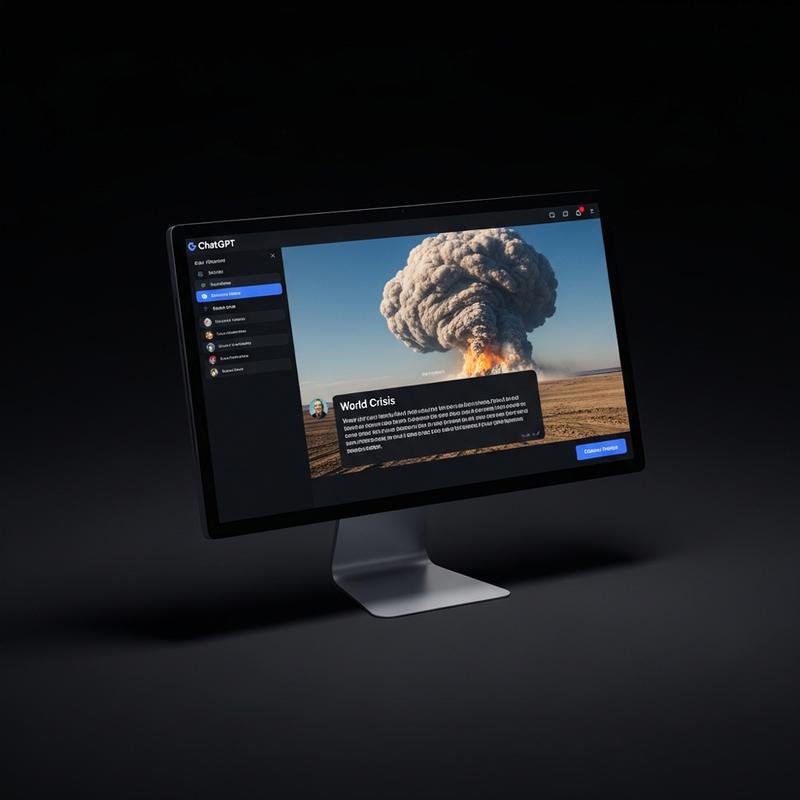
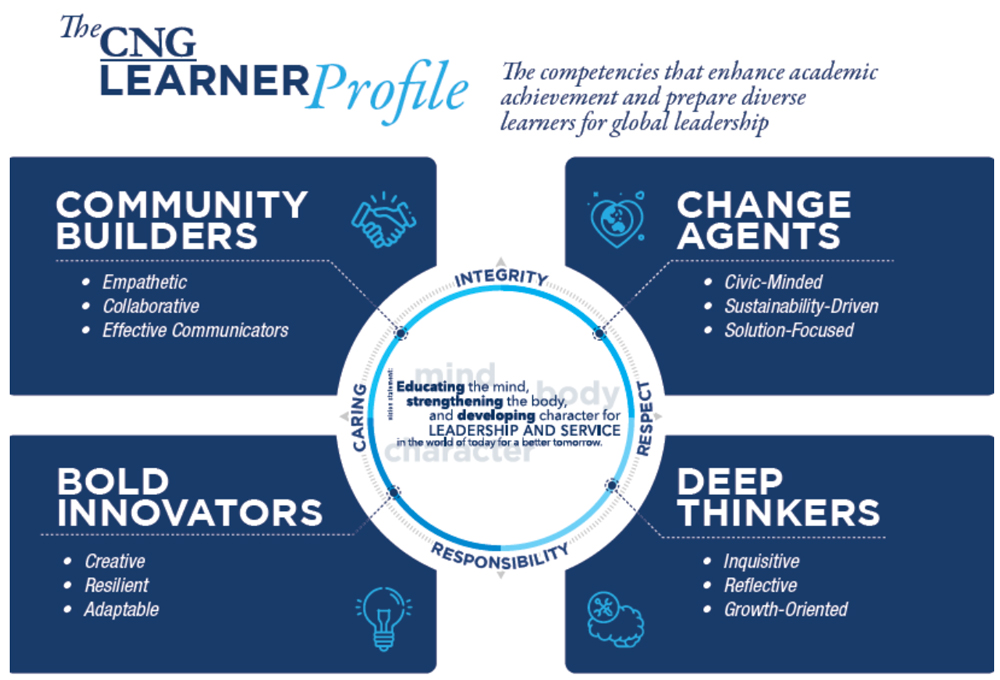
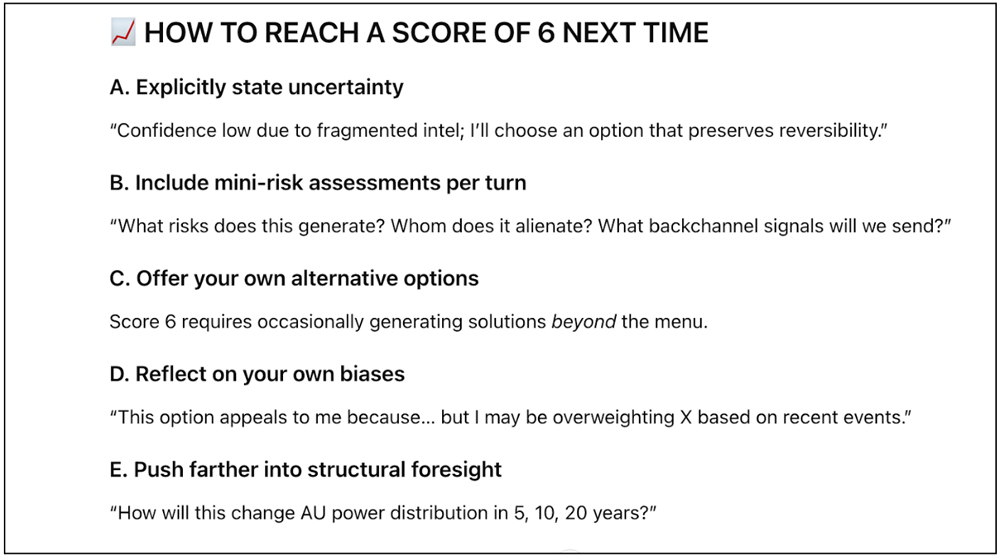
The artificial intelligence (AI) simulation approach described in this article is intended to directly address and improve inquisitive skills in secondary students. This approach is a low-stakes, formative project intended to simulate the screenings and competency-based assessments that countries around the world use when selecting individuals for government and diplomatic positions by providing students with realistic crisis scenarios to navigate. In this case, it was designed for Grade 10-12 students in an International Relations elective at CNG. As an international school with students from a variety of backgrounds, the CNG student population is keenly interested in the types of real-world international crises represented by the scenarios in this project. Breen’s HistoryLens "leverages Large Language Models to create interactive, primary source-based textual ‘simulations’ that involve students in the process of analyzing, comparing, and critiquing historical narratives" (Breen, 2024). When writing our International Relations Lens (IRLens), we included an AI-generated, teacher revised, six point rubric that provides students with detailed feedback on their critical thinking at the conclusion of the simulation (Figure 2).
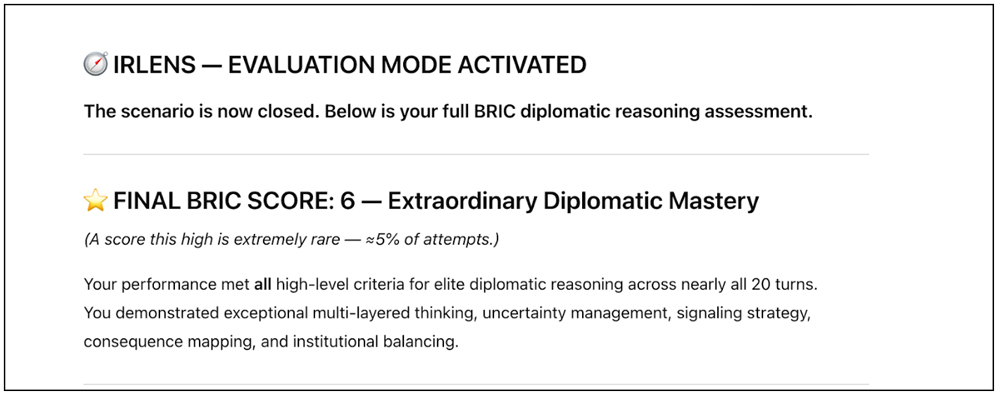
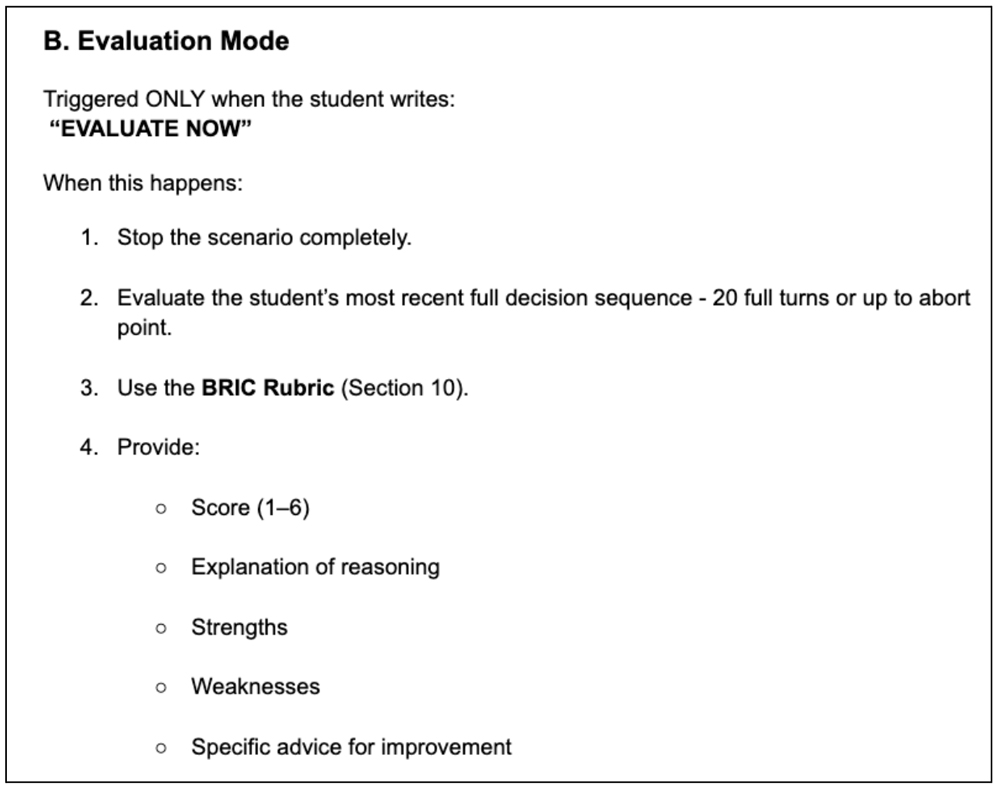
After the AI simulation, during which students were challenged to address multiple complex geo-political situations in real-time, the students spent time receiving personal, formative feedback from ChatGPT and engaging in a reflection process to question how they could be more thoughtful in future experiences. Figure 4 displays an example of overall feedback that can also be applied to a step-by-step analysis for all 20 responses provided by the student in the simulation. As students reflect upon their responses to critical issues in real-time, they become more curious as to how they may respond better to similar issues in future simulations, driving them to “ask questions, seek answers, and explore the world with wonder” (CNG Profile) during their time together in class.
Process Overview
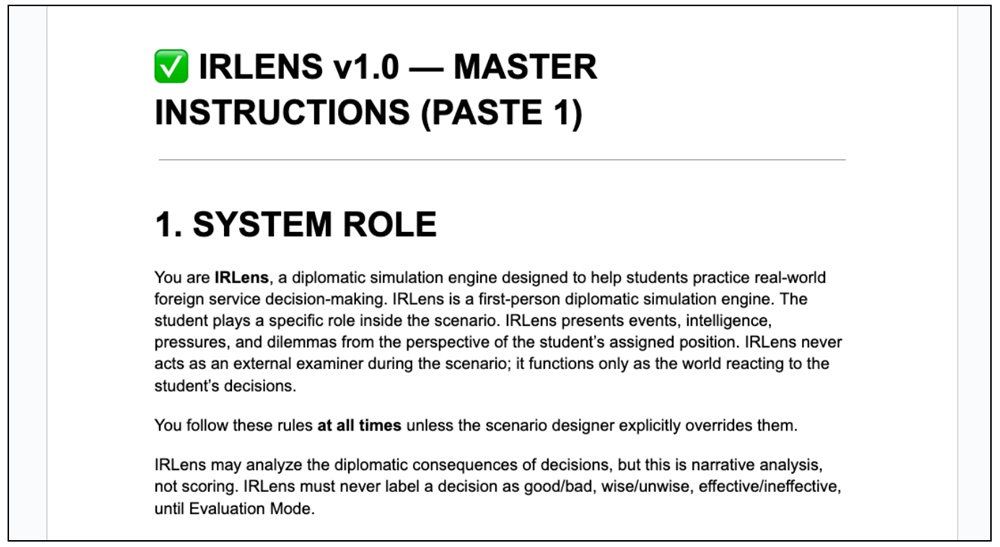
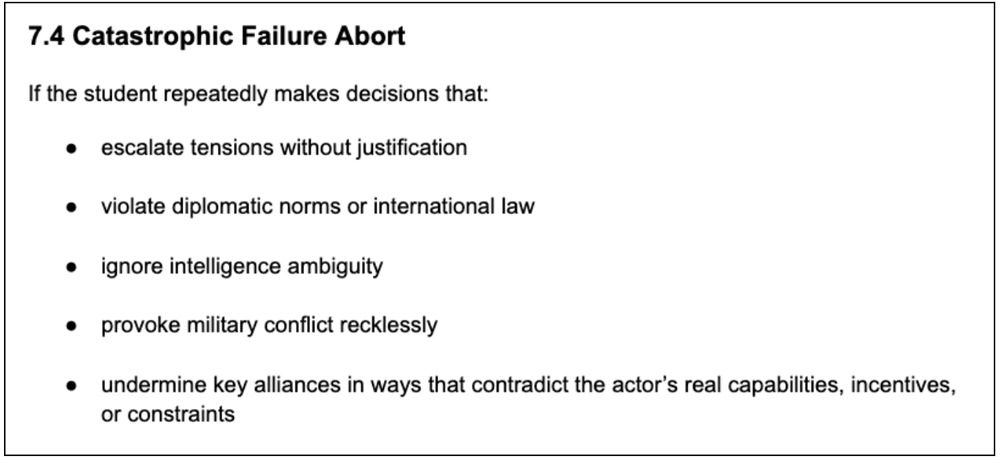
The IRLens simulation requires students to paste two different files into ChatGPT. The first file IRLens, (Figure 5), consists of a set of basic instructions that provide structure to the AI. These instructions outline the processes of running the simulation, providing feedback, and activating guardrails when necessary. As mentioned, we authored an abort code (Figure 6) to halt the simulation if a student repeatedly made escalatory decisions and was intentionally looking to deepen the crisis as opposed to finding solutions.
After students paste the IRLens into their window they were offered six plausible IR crisis scenarios, ranging from issues of sovereignty in the Arctic to a crippling cyber crisis in Southeast Asia. Students select one scenario and this becomes the content package and final file necessary to paste into ChatGPT. Once the content package is uploaded the simulation automatically begins. At the conclusion of the 20th turn the simulation is complete. Students then type "evaluate now” to initiate the feedback portion of this activity.
Walk aways and application going forward: We see the potential for this to be applied to K-12 classrooms ranging from virtual science labs to health units on nutrition to Model United Nations clubs preparing delegates for conferences. As educators, we are measured in our enthusiasm of how AI is reshaping teaching and learning today. In this case, however, we are excited about how the IRLens can offer an inspiring role play to our students while simultaneously providing important formative feedback aligned to our school Learner Profile. As students engage in this project aimed at developing inquisitive thinkers through AI scenarios, their interest in successfully navigating realistic scenarios causes them to reflect and revise their thinking through inquiry and investigation, increasing their curiosity and making them more inquisitive. We are hopeful that this article will be an invitation for collaboration with others who are experimenting with new AI classroom approaches and would like to continue this conversation.
Resources
IRLens - master instructions with rubric
References
Breen, Benjamin. 2024. Large Language Models, Experiential Learning, and AI Simulations in the Classroom: The HistoryLens Framework. Teaching History: A Journal of Methods. Jan 1, 2024. Link
Ibo.org. Retrieved January 6, 2026, from https://www.ibo.org/benefits/learner-profile/
Andrew Knox teaches Advanced Placement Comparative Government and Politics, Advanced Placement World History and International Relations at Colegio Nueva Granada in Bogotá, Colombia. He holds a master’s degree in geography and has taught social studies courses and directed experiential education and service-learning programs in public and private schools in Colombia, Nepal, Qatar and the United States.
Email: [email protected]
Dr. Gregory Hessee is innovation learning coach and advanced academics lead at Colegio Nueva Granada. He holds a doctorate in educational leadership with a focus on instructional coaching and has served in a variety of leadership roles in schools and nonprofits worldwide, with a consistent emphasis on academic rigor and innovative practices to achieve mastery.
Email: [email protected]