

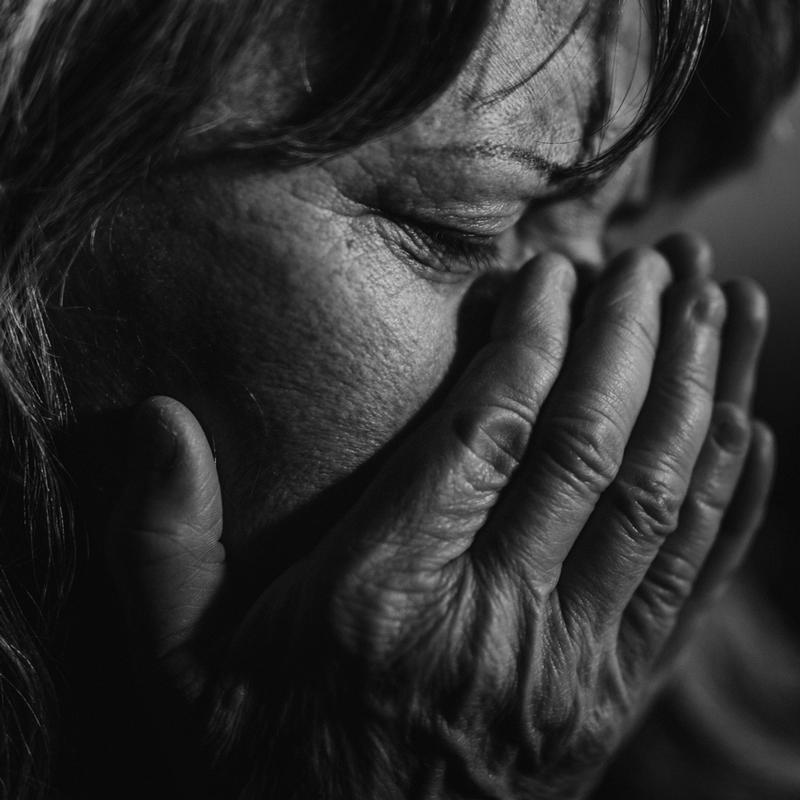
Many schools have generous bereavement leave policies, which is a wonderfully humane and beautiful thing. Having said that, I believe there is room for widening what is covered by these policies. Most dictionaries define grief as a "great sorrow" that is often, but not always, caused by death. Many bereavement policies cover grief caused by the death of a family member, but not the less visible, yet equally profound, sorrows linked to deeply felt losses such as, but not limited to:
After the loss of a family member, the systems and language are often in place for someone to ask for support with full confidence that the system feels they deserve it. However, when one’s country is suffering from war, for example, it can be difficult to know whether someone can ask for support or, if they did, how it would be received. There are many reasons a person may not feel supported in these moments, especially when the language and systems are not in place to acknowledge their experience. In some contexts, asking for help that isn’t explicitly offered may be seen as weak, or the person asking may fear being perceived as an inconvenience. In other cases, they may not feel they have a strong enough relationship with their supervisor to approach them, or may simply feel uncertain about whether their grief would be considered legitimate.
However, when answers to these questions are given through the language of policy, the answer stops being subjective. When they are not, the risk is that help is neither asked for nor offered, compounding one’s grief with loneliness and isolation.
But it does not have to be this way. Recognition and support for people’s struggles should not be subject to whether or not others understand it, have experienced it personally, or whether it falls within the lowest common denominator of human experience. Broadening our definition of what falls under the bereavement policy would help to accommodate the kaleidoscope of different griefs faced by people based on who they are, where they come from, what's happening in the world around them, and what stage of life they are at.
This could look as simple as:
We recognize that grief can happen in different ways and create profound feelings of loss. Our policy around grief covers: terminal illness, imminent death, or the death of an immediate family member; major tragedies or events in one's home country; unexpected life events that create feelings of major loss or uncertainty.
Making this change at a systems level could encourage a culture that understands that people from different walks of life may be experiencing grief in different ways, and that there is room to name and acknowledge that they exist and can be accommodated. In international schools in particular, this idea could also inform how we approach grief among students and families and develop our understanding of cultural expressions of emotional upheaval, allowing us to be more sensitive to the signs of how these less acknowledged griefs might be impacting our students and families.
Talking about grief and learning about the experiences of others provides an opportunity to make changes that may support others during their most difficult times. Ultimately, grief is universal, but the ways it shows up in our communities are not. Our systems should be flexible enough to recognize and support it in all its forms.
Sara Refai is an Arab English teacher and head of high school English at Saigon South International School. She is proudly of Lebanese and Palestinian heritage and has taught in Lebanon, Jordan, Palestine, the United States of America, and now Vietnam.