
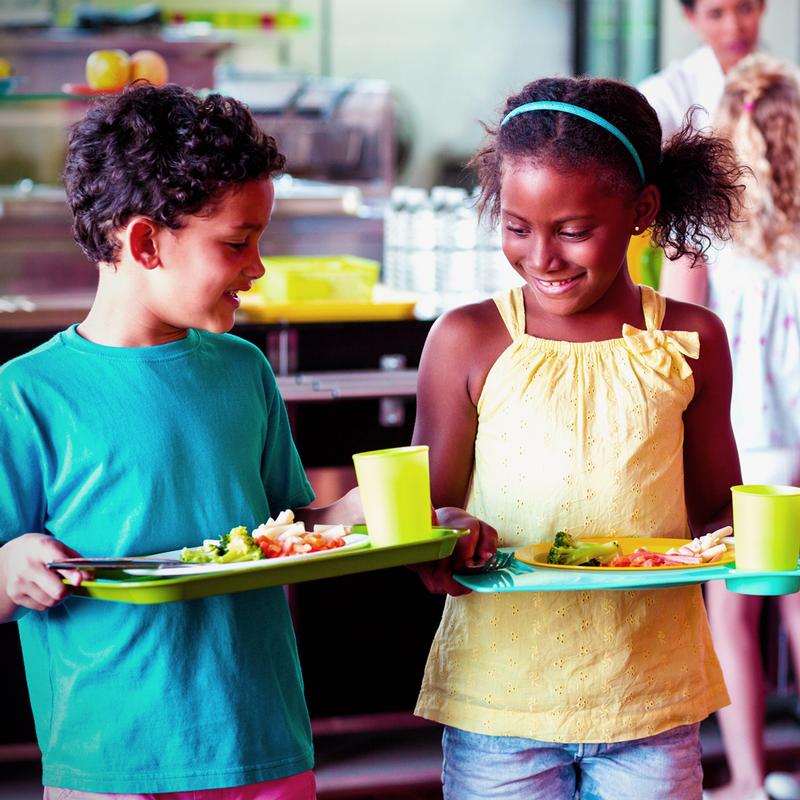
Indonesia’s Makan Bergizi Gratis (MBG), the Free Nutritious Meal Program, represents this truth on a national scale. Designed to provide healthy meals for all students, MBG aims not only to reduce hunger but to ensure every child can learn and thrive on equal footing. As an educator, I see MBG as a humanistic investment: nutrition is the quiet foundation upon which literacy, numeracy, creativity, and wellbeing are built. A child who is hungry, stressed, or unwell cannot fully engage in learning, a reality that holds true in every kind of school, including international ones.
This connection between nourishment and learning echoes global practices. Japan’s shokuiku curriculum promotes mindful eating; Finland’s universal school meals highlight equity and wellbeing. MBG aligns with this worldwide movement and offers a valuable lens for international educators whose students come from diverse cultural, economic, and nutritional backgrounds.
Even in international schools, where food access may appear secure, the question remains vital: How do we ensure no child learns on an empty stomach, physically or metaphorically? This applies to students navigating demanding schedules, long commutes, high academic expectations, or emotional stresses that affect their overall wellbeing.
MBG also reflects the Indonesian value of gotong royong, or collective care. International schools, many of which pride themselves on global citizenship and community engagement, can cultivate similar values. Classroom projects that explore food equity, sustainability, or cultural food traditions can help students understand nourishment as part of a broader human responsibility.
Research consistently shows that well-nourished children have better concentration, attendance, and academic outcomes. But MBG’s deeper message extends far beyond Indonesia: schools everywhere are spaces of care, not only instruction. When international school teachers intentionally observe and support students’ wellbeing, noticing who skipped breakfast, who is emotionally withdrawn, who may lack balance, they enact the same compassion and dignity that programs like MBG strive to provide.
International schools can integrate this mindset through:
Such practices reinforce that nourishment is tied to identity, empathy, sustainability, and community.
MBG’s community-driven model also carries relevance. Its success depends on collaboration among local farmers, suppliers, families, and educators. International schools can mirror this through partnerships with local markets, NGOs, food banks, and parent groups. Projects such as school gardens, composting programs, or student-led food awareness campaigns bring global ideas into local action.
For MBG to remain impactful, nutrition and wellbeing must be integrated into the curriculum, a principle equally applicable to international schools. Whether through health education, global issues courses, or homeroom discussions, students benefit when wellbeing is treated as a central thread, not an add-on. Teachers are key to this work. When they understand how to identify nutritional or wellbeing concerns, discuss health positively, and build inclusive environments, they translate policy ideas into lived experiences for students.
Ultimately, Makan Bergizi Gratis reminds us that human development begins with nourishment. A simple meal or the act of noticing a child’s wellbeing can symbolize care, dignity, and hope. International schools, which often emphasize holistic education and global citizenship, share this mission. To nourish learners is to affirm their worth, their potential, and their humanity. In Indonesia and around the world, we are united by the same educational truth: when we nurture the whole child, learning flourishes.
Ahmad Fadli is a cross-disciplinary educator with over a decade of experience in international classrooms and community-based learning spaces. He has taught English, Global Perspectives, and Information and Communication Technology, while also mentoring students in public speaking and scholarship preparation. His commitment to educational equity is reflected in his work with literacy initiatives in remote areas and grassroots community programs. Beyond the classroom, Fadli contributes as a writer to international platforms, including UNESCO's World Education Blog and TIE Online, where he shares insights on the challenges and possibilities of educational transformation.